Paying for a collection game can make sense as a personal entertainment choice, but a free entry price and an attractive roster do not establish value. The answer depends on what the purchase guarantees, whether you enjoy the underlying game, and whether the amount fits a budget you chose in advance. Our research documents card and puzzle-RPG candidates; it does not verify every current draw system, probability table or event rule. This guide keeps those limits visible.
First establish what kind of game you are comparing
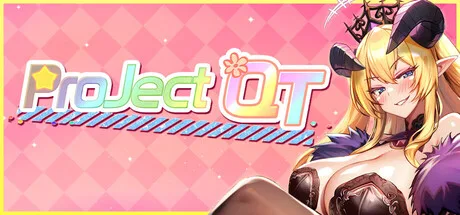
The term gacha is often used broadly in searches that also include card collection, recruitment and roster building. Those descriptions overlap, but they are not interchangeable evidence of a particular random-reward system. Lust Goddess has a documented card-game premise. Project QT is described as a puzzle RPG with recruitment. Neither description alone proves a specific current pity counter or draw rate.
Our collection-game shortlist therefore names adjacent candidates and tells readers to verify the current rules inside the official product. That is more useful than publishing a precise-looking comparison table built from assumptions. Before considering a purchase, identify whether you are buying a specific item, a chance of receiving something, access to content, or another resource. If that cannot be stated clearly, the offer is not ready to evaluate.
Separate enjoyment from the wish to complete a roster
Ask what you would enjoy if your next desired character never arrived. In a puzzle RPG, that might be the matching mechanic and team decisions. In a card game, it might be planning a squad and understanding battles. These are examples of personal criteria, not measured claims about the quality of any particular title. The relevant test is whether the accessible game is satisfying before a payment.
If the answer is that only a future reward will make the game enjoyable, a purchase has a weak foundation. It may deliver the item without fixing the underlying pacing or combat preference. Compare the formats in our Lust Goddess alternatives before spending to force a fit. A merge game or a paid visual novel may suit your interests better even though it does not preserve the same roster-building structure.
Read probability information before uncertain purchases
Where a game offers random rewards, locate its current official explanation of probabilities and conditions. Check whether the displayed rates apply to the specific offer you are considering. Look for any guaranteed outcome, exclusions, expiry conditions or reset behaviour described by the game. Do not import rules from a different title just because the screens look similar or both use the same genre label.
We have not verified those details for the games in this guide, so no numerical odds are published here. An unofficial calculator is only as reliable as its inputs. A video showing one successful result cannot establish a typical outcome, and a small set of comments does not describe the complete distribution. If the available information is insufficient for your decision, choosing not to purchase is a complete answer; there is no need to fill the gap with a guess.
Choose a budget before the offer appears
Set the total you are comfortable spending over a period that makes sense for you, and include all purchases across the game. Avoid creating separate mental budgets for currency packs, bundles and event offers when they all draw on the same money. A useful record is simply date, store, amount paid and what the receipt says was purchased. It should reflect real payments rather than the nominal value of virtual currency.
This is a way of organising an entertainment decision, not a guarantee that spending will remain satisfying. If you find yourself moving the limit each time a promotion appears, pause purchases and reconsider the game. The point of the budget is to help you decide before time pressure or completion goals narrow your attention. A timer does not supply missing information about whether you want the product.
Evaluate guarantees literally
An offer that guarantees some reward may not guarantee the exact outcome you want. Read the nouns and conditions closely. A category, a selection and a particular named item can be different promises. Likewise, a bonus attached to a purchase does not make the underlying purchase necessary. Judge the total offer, including any limits that the current product description makes explicit.
Do not treat previous spending as progress toward value unless a verified rule actually connects it to the next purchase. Even where a game documents a counter or guarantee, check whether it applies to this version and whether it carries over. Our sources do not establish these systems for individual titles. The free-to-play explainer discusses the broader difference between a free base game and the cost of optional extras.
Compare with a known-content alternative
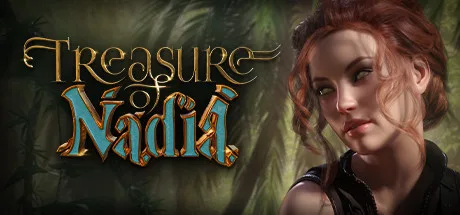
A paid story can be an informative comparison because its purchase structure may be easier to describe, although it still requires edition checks. Being a DIK is sold in seasons with documented dependencies. Treasure of Nadia is a paid adventure with a different gameplay premise. These are not replacements for competitive roster building, but they offer a useful way to ask whether you prefer buying access to a defined product.
Our story-versus-adventure comparison explains that format choice. Do not assume that paid games are automatically better value; we have not measured hours of entertainment per currency unit. The useful difference is the question you must answer: which edition and dependencies for a paid story, versus what outcome and continued spending for a collection game. Clear questions produce better choices than a single universal ranking.
A practical purchase decision
Before paying, be able to explain the offer in one sentence, identify the distributor taking the payment, and state the total you are willing to spend. Confirm that you enjoy the existing gameplay and that the purchase does not depend on an unsupported promise from a third-party guide. If any of those pieces is missing, continue the free trial or leave the decision for later.
For game-specific evidence, read our Project QT review and Lust Goddess review. Both distinguish documented features from untested progression claims. This article uses sources reviewed on 5 October 2026 and does not certify any economy as generous. Worth paying for is ultimately a personal judgement, but it should rest on a clear product, an acceptable amount and an experience you already want to play.